The Product Composition Paradox: “Fewer Materials Is Greener” Reverses for Recycled Materials
Invited industry research presentation on why material diversity can become a misleading cue for perceived eco-friendliness.
Ph.D. Candidate in Marketing · Boston University
Welcome to my website!
Everyone keeps talking about AI, so I thought it was time you met me, Andde Indaburu, a Boston University Marketing PhD candidate studying sustainable consumption.

How can marketing advance sustainability and consumer well-being? This question motivates my research. I study how consumers interpret sustainability information, how AI systems increasingly mediate sustainability decisions, and how firms and policymakers can promote sustainable behavior without compromising consumer well-being or widening inequalities. My dissertation examines two core mechanisms: how product cues shape sustainability judgments, and how large language models describe and prescribe sustainable behavior. My broader research agenda extends this question to perceptual mechanisms, nutrition labels, utility preservation options, and environmental messages. Across online and field experiments, large-scale surveys, and analyses of AI-generated outputs, I identify when information and choice-environment features support better decisions, and when they produce distorted judgments or unequal effects.
Research Areas: Sustainability; artificial intelligence; consumer well-being; inequalities; privacy.
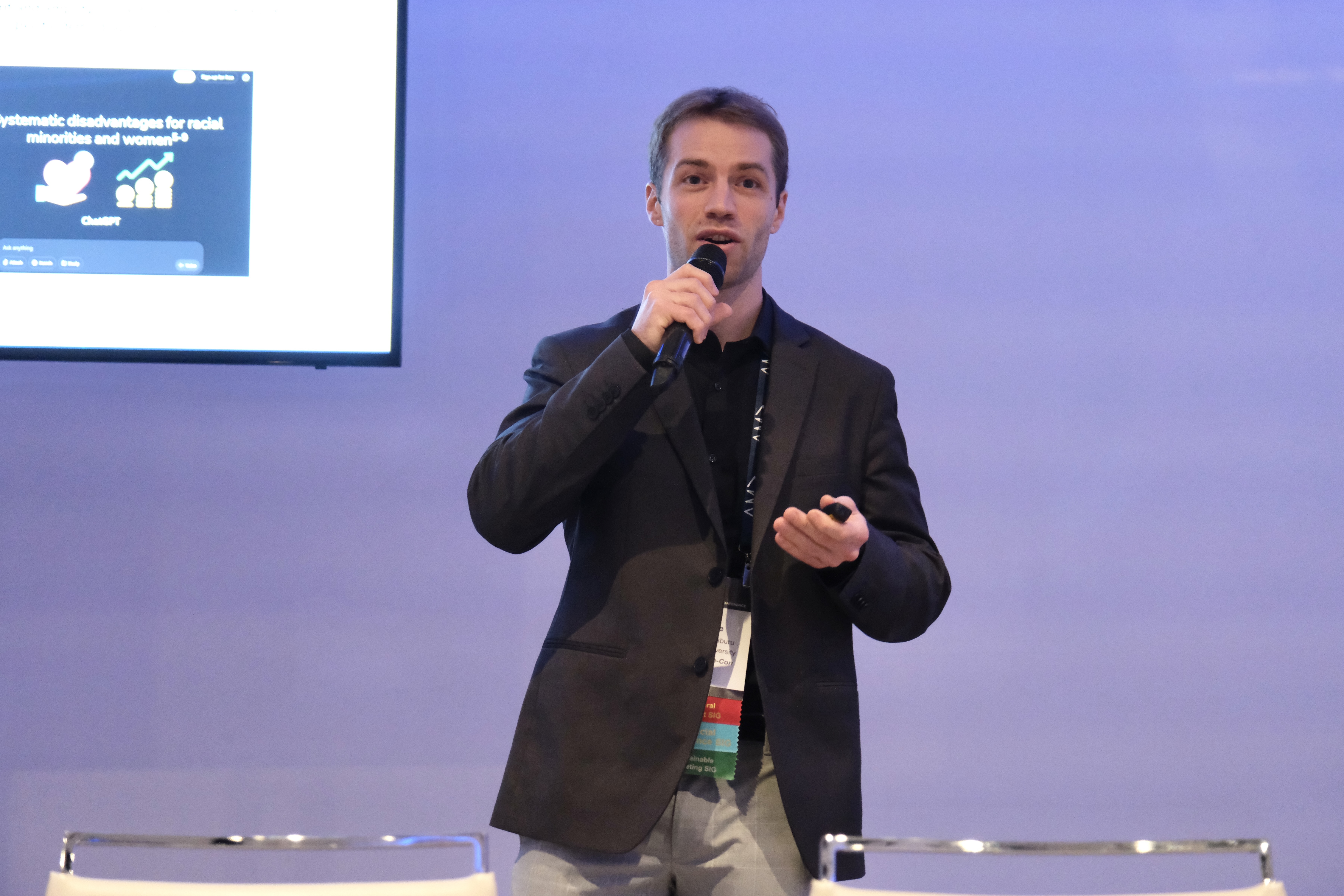
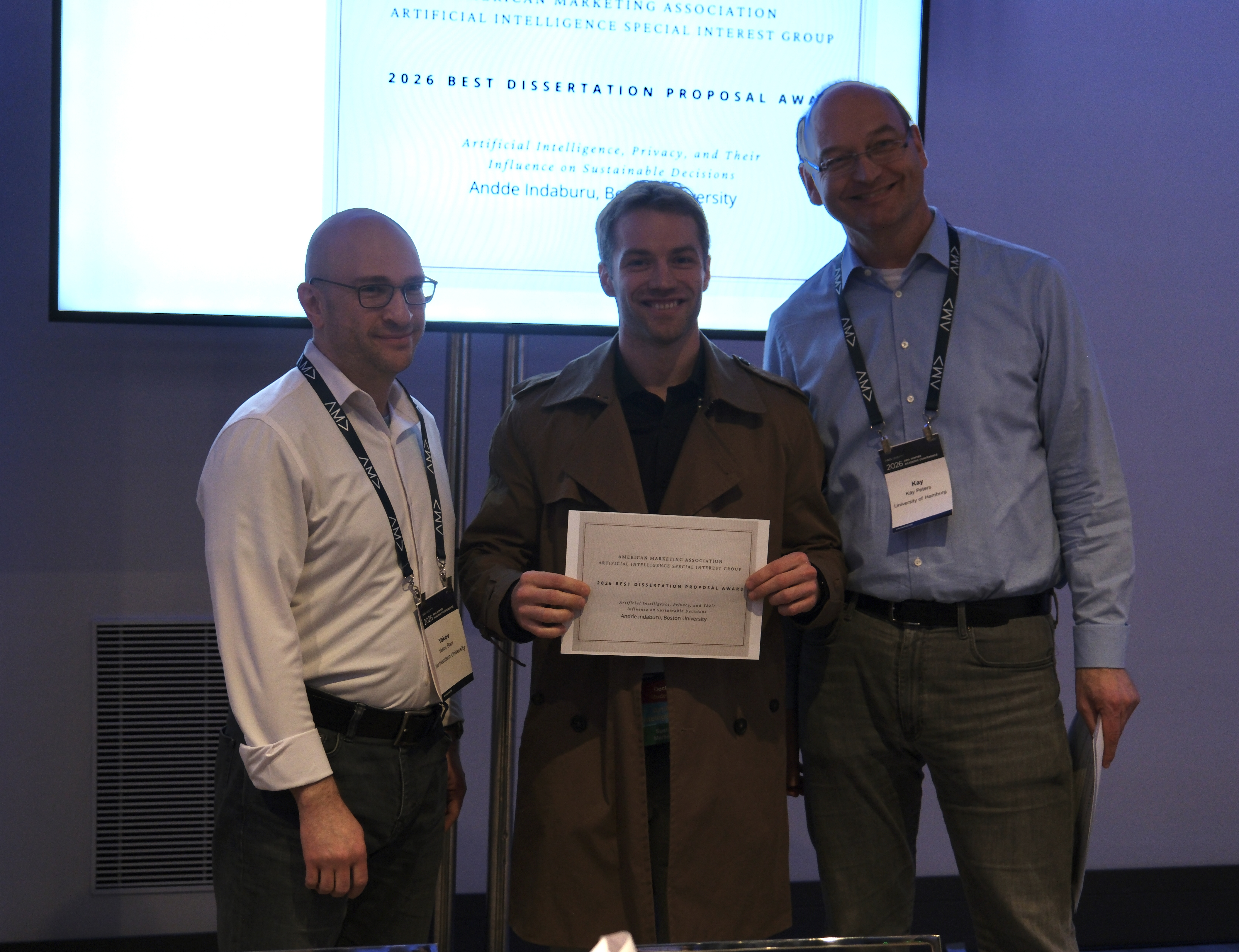
Products with a small material diversity (fewer different types of materials) are almost always more eco-friendly because they reduce the use of nonmaterial resources (i.e., they consume less energy during production). Yet, seven pre-registered experiments reveal a paradox: While consumers (almost always rightly) perceive a small material diversity as more eco-friendly when materials are new, this perception reverses when the materials are recycled, consumers (almost always erroneously) perceive a large diversity of recycled materials as more eco-friendly. This reversal occurs because consumers focus on new material resource use (i.e., the use of new materials) instead of the actual driver of eco-friendliness in this context: Nonmaterial resource use (i.e., the use of energy during production). Specifically, greater material diversity increases the perceived total material mass of a product. For new materials, this increased mass is perceived as less eco-friendly because it increases new material use. In contrast, for recycled materials, which are perceived as substitutes for new ones, the same increase is seen as more eco-friendly by implying that more new materials have been avoided. This research advances the extant understanding of how consumers interpret frequently salient quantity information in the marketplace and the underlying drivers of consumers' eco-friendly consumption decisions.
Large language models (LLMs) are increasingly shaping sustainability decisions as both descriptive and prescriptive systems. They may exacerbate ineffective and inequitable climate action through these roles by describing sustainability through synthetic data and prescribing sustainability through personalized recommendations. In Study 1, we examine LLMs in their descriptive role by comparing self-reports of 15 sustainability behaviors from about 2,000 U.S. respondents, stratified across five demographic dimensions (education, income, political ideology, race, and sex), with about 30,000 matched synthetic responses generated by fifteen widely used LLMs. We find systematic distortions in LLM-generated data: LLMs overestimate sustainable engagement, understate the intention-behavior gap, disproportionately inflate engagement in low-impact behaviors relative to high-impact behaviors, and, more importantly, amplify demographic stereotypes about who is perceived as sustainable. In Study 2, we examine LLMs in their prescriptive role by testing whether ChatGPT-inferred demographic groups influence recommended sustainability behaviors and how personalization capability shapes these recommendations in a sample of about 4,000 AI users stratified across the same five demographic dimensions and split between two countries that vary in personalization capability. We find systematic differences in recommendations: inferred demographic group membership predicts which sustainability behaviors are recommended, with higher-impact behaviors directed toward groups that, on average, bear lower responsibility for emissions. Greater personalization capability attenuates these differences, suggesting that recommendations rely less on inferred demographic group membership and more on individual-level information. These findings highlight the need to align LLM design and privacy regulations to support effective and equitable climate action.
Chandon, Pierre, and Andde Indaburu (2026). “When and How Simplified Nutrition Labels Improve Fast-Food Choices.” Journal of the Academy of Marketing Science.
Related articles: INSEAD Knowledge · Questrom School of Business · Insights@Questrom · jebosseengrandedistribution · Harvard Business Review France
Xue, Sherrie Y., Stephanie C. Lin, Pierre Chandon, and Andde Indaburu, “Beyond ‘Use it or Lose it’: Promoting Purchase and Controlling Consumption through Utility Preservation”, Journal of Marketing, conditionally accepted.
Trudel, Remi, Andde Indaburu, and Matthew D. Meng. “From Insight to Impact: Advancing Climate Policy Through Behavioral Science and Marketing.” Handbook of Public Policy and Marketing (forthcoming).
*presenter
Invited industry research presentation on why material diversity can become a misleading cue for perceived eco-friendliness.
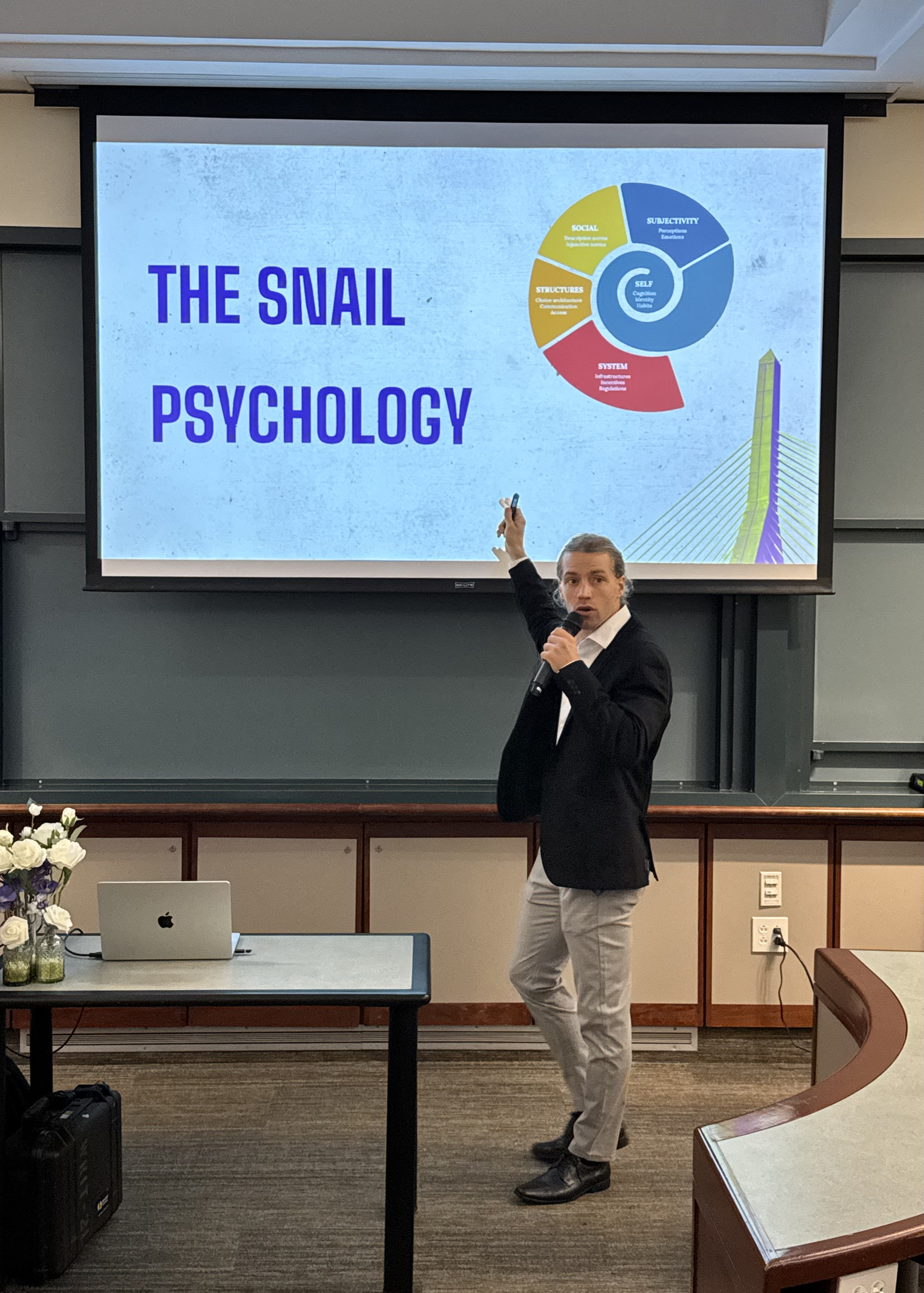
To make behavioral science more accessible, I developed The Snail Psychology, a framework that organizes behavior change into five interconnected layers - from the individual self to broader social, structural, and systemic forces that interact dynamically to shape behavior.
Developed Framework: The Snail Psychology
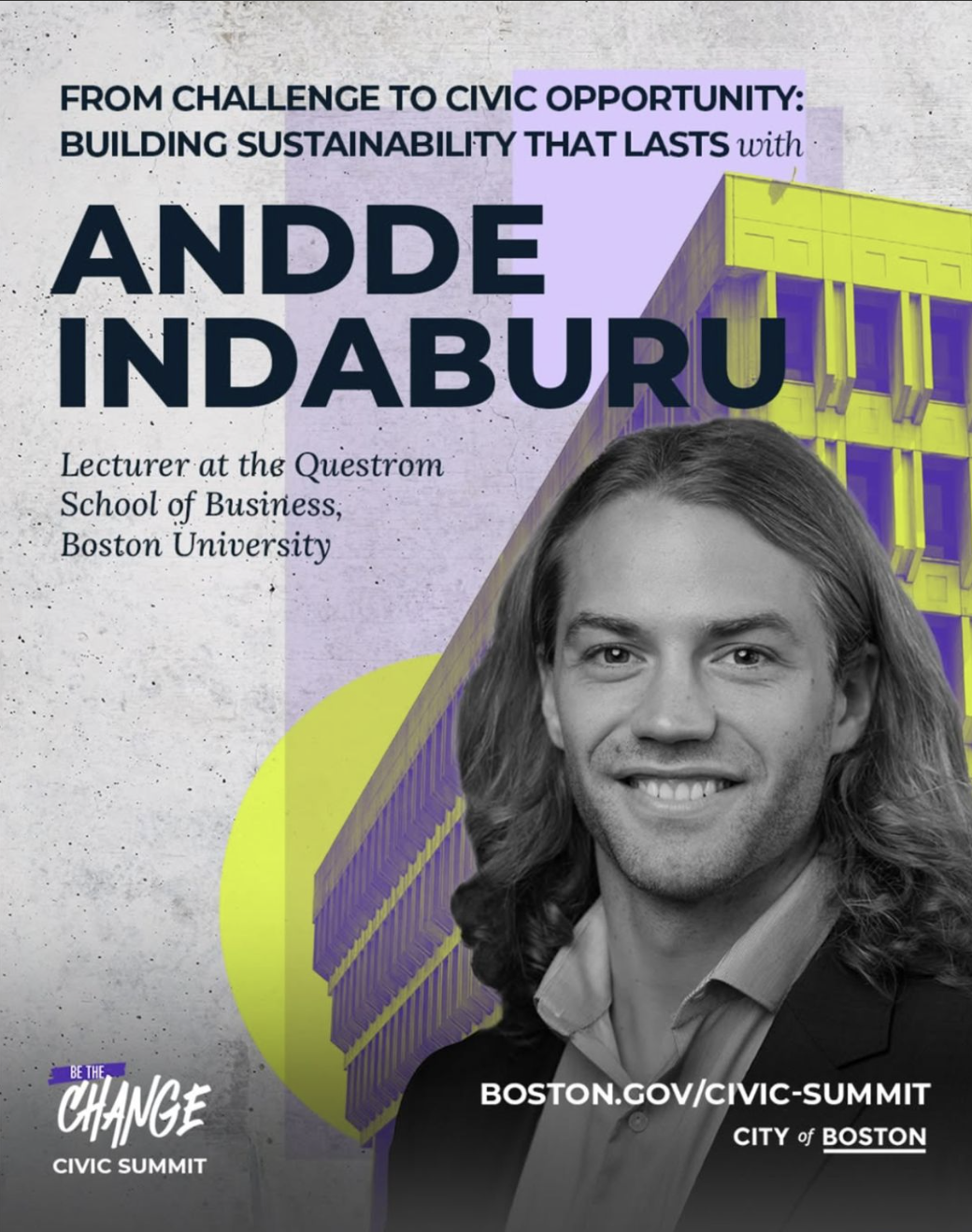
Speaker Bio: City of Boston event bio
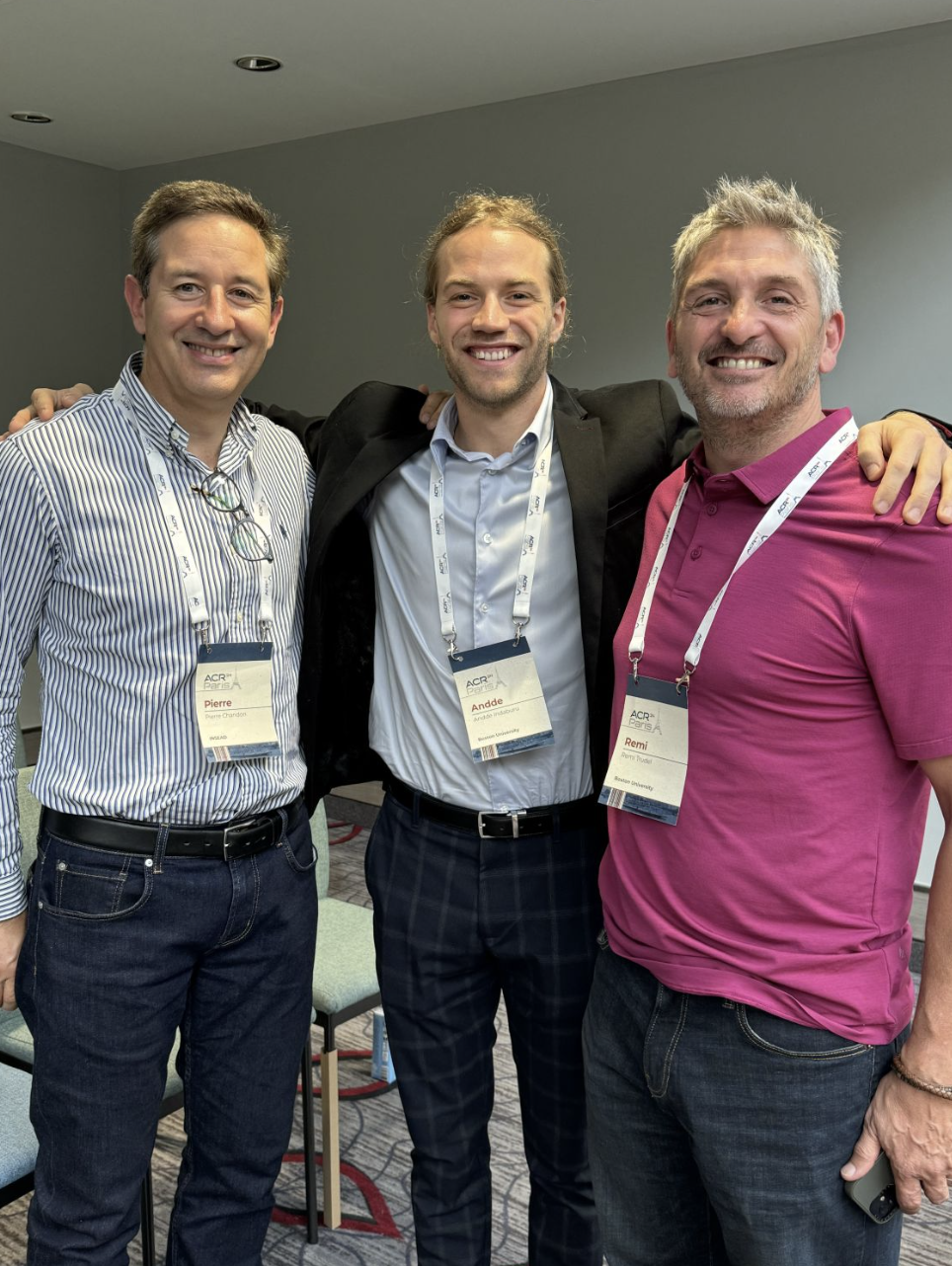
Let me introduce myself a little more personally through three fun facts.
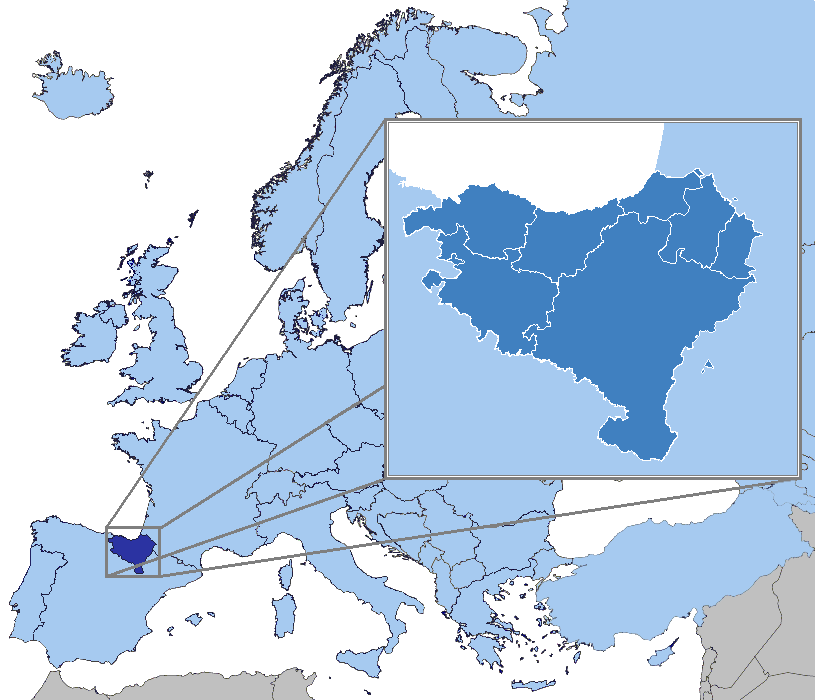
I grew up in Irissarry, a small village in the French Basque Country, where I was deeply immersed in Basque culture through sport, especially Pelote Basque, a game you may never have heard of, and rugby, as well as through the arts, from theater to accordion and drums.

My life later took a much more international turn when I met my Brazilian wife in Mexico, and together we welcomed our American daughter last October. When people come over to our place, things can sometimes sound a bit like the Tower of Babel, with Spanish, Portuguese, Basque, French, and English all competing for attention, but we usually make enough good food to convince people not to run away.
I spent my childhood in nature, building cabins out of branches, swimming in rivers, and going on long walks in the mountains. Nature felt like my home, like our home. But the fact that “our home is burning down and we’re blind to it” made me want to understand how to protect nature, which, to me, meant rethinking the economy itself.

Little by little, this made me curious about how other societies manage to coexist with nature. I became especially fascinated by Indigenous communities whose relationship with the natural world seemed much more harmonious than ours. That curiosity eventually took me to the Amazon, where I spent two weeks with the Sateré Mawé, an Indigenous people living deep in the rainforest. They taught me many things, including how to react if a jaguar showed up: by making a rope out of a leaf and using it to climb thin trees that the jaguar could not climb. The only problem was that those trees were also too thin for me. Fortunately, the jaguar had other things to do.
At the same time, I became fascinated by social business because it seemed to offer a way of making the world both more sustainable and more equal. That conviction led me to serve as president of a social business association and to work on a range of projects, including developing microfinance initiatives in Senegal and Peru, creating an app with a gynecologist to help women better understand different contraceptive options, working in Mexico to help migrants reintegrate into society by learning how to code, and launching a startup to reduce food waste.
It eventually became clear to me that, if I wanted to have real impact and contribute to a more sustainable world, I needed to help advance knowledge in this area, which is why I became a researcher. And somehow, that is how you ended up reading this rather improbable story.
During my exchange at the Indian institute of Management Indore, a friend and I signed up for a class called Management of Direct Taxes because we were curious about taxes in general. At the time, we had no syllabus and barely any course description, so we assumed it would be something like international taxation. On the first day, we noticed that we were the only international students, and even before class started, the other students were looking at us and laughing a little. Even the professor seemed intrigued by our presence.
We did not understand why until the class began. Then the class began, and we understood our mistake: we had just enrolled in three months of the Indian tax system. Oops. It was too late. But looking back, I am very grateful for that mistake, because today I am an Indian tax expert, and my website has a fun fact 3.